How Metal Foundry Capabilities Enhance Rapid Product Iteration
Wiki Article
Exploring Thin-Wall Casting: An Advancement Technique in Aluminum Foundries
Thin-wall casting has become a substantial development in aluminum foundries. This technique permits the development of lightweight elements with minimal wall density, boosting material effectiveness and reducing waste. Its applications cover numerous industries, especially auto and aerospace. The shift to thin-wall casting postures one-of-a-kind difficulties and requires mindful consideration. Recognizing these dynamics might expose essential understandings into the future of aluminum manufacturing and its more comprehensive effects.Comprehending Thin-Wall Casting Techniques
Thin-wall casting techniques change the production of complicated and light-weight aluminum elements. This method concentrates on producing components with wall thicknesses as reduced as a couple of millimeters, substantially minimizing product usage while keeping structural stability. The process typically involves advanced mold designs and precise control of metal flow, permitting detailed geometries that conventional casting approaches can not accomplish.Using methods such as investment casting and pass away casting, manufacturers can create high-grade elements with smooth finishes and marginal flaws. Making use of computer-aided design (CAD) and simulation tools better improves the accuracy of the casting procedure, ensuring excellent efficiency in the final item - Aluminum Casting. In addition, the fast air conditioning systems fundamental in thin-wall casting add to great microstructures, which improve the mechanical residential properties of the aluminum. As a result, sectors ranging from automotive to aerospace significantly embrace thin-wall casting to fulfill the need for efficient and cutting-edge element production
Advantages of Thin-Wall Casting in Production
Thin-wall casting offers considerable advantages in manufacturing by enhancing product performance and making it possible for item weight decrease. By utilizing much less product while preserving structural integrity, manufacturers can accomplish expense savings and improved efficiency. This strategy not just enhances production processes yet additionally adds to a lot more sustainable manufacturing techniques.Enhanced Material Effectiveness
The search of enhanced product effectiveness in production has actually resulted in the adoption of ingenious casting techniques, specifically in aluminum factories. Thin-wall casting exemplifies this advancement, permitting for a significant decrease in the quantity of metal needed for production without compromising architectural stability. This technique minimizes waste by using much less aluminum, which not just saves sources however also lowers prices connected with materials and energy usage during the casting process. Furthermore, the accurate control over the thickness of the walls allows makers to optimize styles for particular applications, bring about better manufacturing prices and decreased cycle times. Ultimately, thin-wall casting stands as a sustainable option, advertising much better source monitoring and adding to a much more eco accountable manufacturing landscape.Enhanced Product Weight Decrease
While conventional casting approaches typically bring about heavier parts, the adoption of thin-wall casting methods significantly improves item weight decrease in manufacturing. This ingenious strategy permits the manufacturing of lighter aluminum components without jeopardizing architectural honesty. By utilizing thinner wall surfaces, suppliers can achieve considerable reductions in product use, resulting in lower general weight. Lowered weight adds to improved performance in different applications, specifically in the aerospace and vehicle markets, where every gram conserved enhances fuel performance and total performance. In addition, lighter products commonly result in set you back savings in shipping and handling. As sectors significantly prioritize sustainability, the ability to create lighter elements with thin-wall casting lines up with efforts to decrease ecological impact while maintaining high-grade requirements in production.Applications of Thin-Wall Casting Throughout Industries
Thin-wall casting has discovered significant applications throughout numerous industries, specifically in automotive, aerospace, and customer electronic devices. In the automobile sector, advancements concentrate on light-weight elements that boost fuel performance. Aerospace producers use thin-wall casting for precision parts that satisfy strict efficiency requirements, while customer electronics profit from decreased weight and enhanced layout adaptability.Automotive Sector Innovations
Developments in the automotive sector have actually accepted thin-wall casting methods to boost performance and decrease weight in automobile components. This strategy permits producers to produce intricate shapes with thinner wall surfaces, leading to a considerable decline in the overall weight of parts such as engine blocks and transmission housings. The result is improved gas effectiveness and reduced emissions, lining up with contemporary environmental requirements. Additionally, the accuracy provided by thin-wall casting makes it possible for tighter tolerances, enhancing the overall top quality and fit of parts. As automobile layouts continue to develop in the direction of lightweight and effective solutions, thin-wall casting is becoming increasingly vital, giving suppliers with the ability to meet both performance goals and regulative needs properly. This technique is reshaping just how automobiles are generated for a lasting future.Aerospace Part Production
An expanding number of aerospace suppliers are taking on thin-wall casting techniques to produce high-performance components with decreased weight and improved structural integrity. This innovative method allows the development of complex geometries that are vital for maximizing wind resistant efficiency. With the aerospace sector's enhancing focus on fuel performance and sustainability, thin-wall casting uses a calculated advantage by decreasing material use while maintaining toughness. Importantly, parts such as brackets, real estates, and engine parts take advantage of this method, as it enables tighter tolerances and improved surface area coatings. Additionally, the decreased weight of these components adds to general aircraft efficiency, bring about reduced functional prices. As the demand for sophisticated aerospace services proceeds to grow, thin-wall casting is poised to play a substantial duty in future production procedures.Consumer Electronic Devices Production
In the domain name of consumer electronics manufacturing, suppliers are increasingly turning to innovative casting techniques to enhance their product designs and capability. Thin-wall casting, particularly, allows for the production of lightweight, detailed parts that satisfy the needs of contemporary tools. This method helps with the production of high-precision components with decreased product usage, driving price effectiveness. In addition, the enhanced mechanical homes of thin-walled aluminum components add to much better thermal monitoring and resilience in digital devices. Companies utilize thin-wall casting to produce housings, structures, and internal structures, enabling sleeker layouts without endangering efficiency. As customer expectations progress, the adoption of thin-wall casting is expected to continue growing, positioning producers at the leading edge of advancement in the affordable electronic devices market.Contrast of Thin-Wall Casting and Standard Casting Techniques

Thin-wall casting allows for faster cooling prices, which can improve the total surface area finish and dimensional precision of the castings. Typical techniques, on the various other hand, may need added machining processes to achieve preferred resistances. Ultimately, the option between these techniques rests on the particular application needs, with thin-wall casting emerging as a remarkable alternative for lightweight, high-performance components in various markets.
Challenges and Considerations in Thin-Wall Casting
Thin-wall casting presents a distinct set of challenges and considerations that need to be dealt with to enhance production and guarantee top quality. Aluminum Foundry. One main difficulty is guaranteeing sufficient metal circulation throughout the casting process, as thinner wall surfaces can bring about early solidification and incomplete filling of mold and mildews. In addition, preserving dimensional accuracy is important, as even small variants can impact the functionality of the last itemThermal management is one more substantial consideration; fast air conditioning can introduce tensions that jeopardize architectural integrity. Factories have to also navigate the increased threat of defects, such as porosity and surface area imperfections, which are a lot more obvious in thin-walled styles.
The option of appropriate alloys and optimized gating systems is essential to enhance yield rates and lower waste. These factors to consider need a combination of experienced labor, precise design, and rigid quality control actions to effectively execute thin-wall casting in aluminum foundries.
The Duty of Technology beforehand Thin-Wall Casting
As innovations in modern technology proceed to reshape the foundry sector, ingenious strategies are arising to enhance thin-wall casting procedures. The combination of computer-aided design (CAD) software permits accurate modeling of intricate geometries, allowing producers to optimize mold and mildew designs that lessen product usage while keeping structural integrity. Furthermore, the implementation of innovative simulation tools help in forecasting potential defects and optimizing cooling rates, making sure consistent density and reducing the possibility of warping.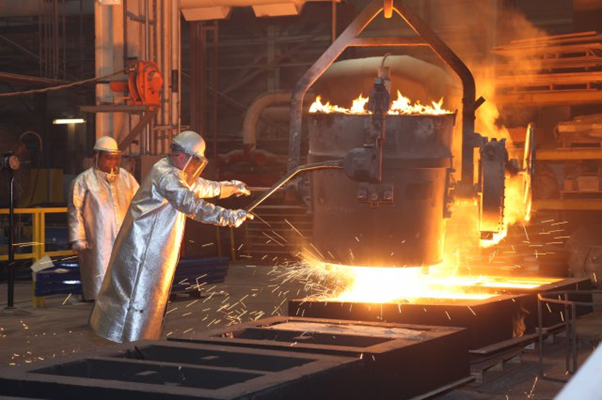
Future Fads in Aluminum Production and Thin-Wall Casting
Emerging trends in aluminum production and thin-wall casting are poised to noticeably reshape the industry landscape. As manufacturers increasingly focus on sustainability, developments in recycling processes and reduced power intake are ending up being extremely important. Advanced products and strategies are helping with the production of lighter, more powerful aluminum elements, accommodating sectors like auto and aerospace that require effectiveness and performance.The integration of electronic modern technologies, including man-made intelligence and machine understanding, is simplifying operations, enhancing quality assurance, and minimizing waste. Additionally, additive manufacturing is gaining grip, enabling quick prototyping and personalization in thin-wall casting applications.
Collaboration in between academia and industry is cultivating research study into brand-new alloys and casting techniques, making certain continuous enhancement. As these fads assemble, they assure to elevate the abilities of aluminum shops, placing them for a competitive future, while likewise addressing the ecological challenges associated with standard production techniques.
Frequently Asked Questions
What Materials Are Generally Used in Thin-Wall Casting?
Common materials utilized in thin-wall casting consist of aluminum alloys, specifically those with high fluidness, such as A356 and A380. These alloys enable the manufacturing of lightweight, resilient parts with excellent mechanical residential properties and surface area finishes.Exactly How Does Thin-Wall Casting Affect the Environmental Impact?
Thin-wall casting minimizes the ecological footprint by decreasing product waste, decreasing energy intake throughout production, and enabling lighter parts that improve fuel efficiency in transportation. This approach advertises sustainability in manufacturing procedures and source conservation.What Is the Cost Comparison Between Thin-Wall and Conventional Casting?
Thin-wall casting normally sustains reduced production prices contrasted to standard casting as a result of lowered material use and much shorter cycle times. Nonetheless, first arrangement and modern technology financial investments can be greater, affecting general cost-effectiveness in certain applications.The length of time Does the Thin-Wall Casting Refine Typically Take?
The thin-wall casting procedure normally takes less time than typical approaches, usually calling for numerous hours to a couple of days, relying on the complexity and size of the parts, along with the certain factory conditions.Are There Particular Certifications Required for Thin-Wall Casting?
Yes, details qualifications are typically required for thin-wall casting, consisting of high quality management criteria like ISO 9001 and industry-specific qualifications - Metal Foundry. These warranty conformity with security, performance, and environmental laws in aluminum factoriesEmploying methods such as financial investment casting and pass away casting, manufacturers can generate high-quality parts with smooth surfaces and marginal defects. While typical casting techniques frequently lead to larger components, the adoption of thin-wall casting strategies considerably improves item weight reduction in manufacturing. While typical casting techniques have actually served the market for years, the development of thin-wall casting has actually introduced substantial benefits that warrant contrast. Thin-wall casting permits for faster cooling rates, which can enhance the overall surface coating and dimensional precision of the spreadings. Thin-wall casting normally incurs reduced production prices contrasted to typical casting due to decreased material use and shorter cycle times.
Report this wiki page